Efficient Waste Management Solutions for Hotels
- Michael Zaccaria
- Dec 15, 2025
- 4 min read

Updated: Jan 2
The hospitality industry is known for its luxurious offerings and exceptional service, but it also faces significant challenges when it comes to waste management. Hotels generate a substantial amount of waste daily, from food scraps to packaging materials, and managing this waste efficiently is crucial for both environmental sustainability and operational cost savings. In this blog post, we will explore effective waste management solutions tailored specifically for hotels, highlighting practical strategies and real-world examples.
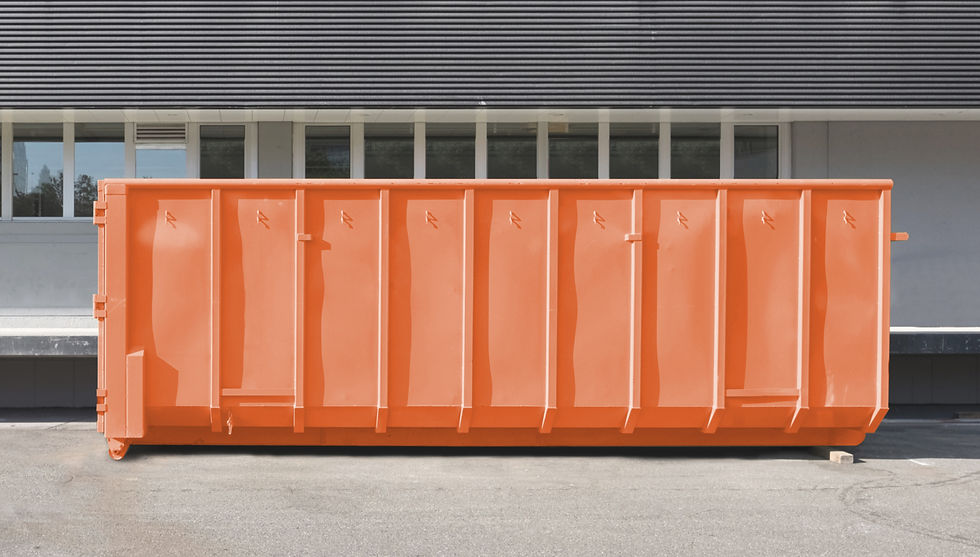
Understanding the Waste Management Challenge
Hotels produce various types of waste, including:
Organic waste: Food scraps from kitchens and restaurants.
Recyclable materials: Paper, plastic, glass, and metals.
Hazardous waste: Cleaning chemicals and batteries.
General waste: Non-recyclable items that end up in landfills.
The challenge lies in efficiently sorting, recycling, and disposing of these materials while minimizing environmental impact. According to the World Wildlife Fund, hotels can reduce their waste output by up to 50% through effective waste management practices.
Implementing a Waste Management Plan
Creating a comprehensive waste management plan is the first step toward improving waste handling in hotels. This plan should include:
Waste Audit: Conduct a thorough assessment of the types and quantities of waste generated. This helps identify areas for improvement.
Set Goals: Establish clear, measurable goals for waste reduction, recycling rates, and composting efforts.
Staff Training: Educate staff on proper waste disposal practices and the importance of sustainability.
Monitoring and Reporting: Regularly track waste management efforts and report progress to stakeholders.
Case Study: The Green Hotel Initiative
The Green Hotel Initiative is a program that has successfully helped numerous hotels implement waste management strategies. For example, a participating hotel in California reduced its waste by 40% within a year by:
Conducting a waste audit to identify key areas for improvement.
Implementing a composting program for organic waste.
Partnering with local recycling facilities to ensure proper disposal of recyclable materials.
Recycling and Composting Programs
Recycling and composting are two of the most effective waste management strategies for hotels. Here’s how to implement them:
Recycling
Designate Recycling Stations: Place clearly labeled recycling bins in guest rooms, common areas, and staff-only spaces.
Educate Guests: Provide information about recycling practices in guest rooms and public spaces.
Partner with Local Recyclers: Collaborate with local recycling companies to ensure materials are processed correctly.
Composting
Set Up a Composting System: Establish a composting area for food scraps and organic waste.
Train Staff: Educate kitchen staff on what can and cannot be composted.
Utilize Compost: Use the compost in hotel gardens or donate it to local farms.
Example: The Eco-Friendly Resort
An eco-friendly resort in Costa Rica implemented a successful recycling and composting program that diverted 60% of its waste from landfills. By training staff and providing guests with information on recycling, the resort not only improved its waste management but also enhanced its reputation as a sustainable destination.
Reducing Single-Use Plastics
Single-use plastics are a significant contributor to hotel waste. To combat this issue, hotels can:
Eliminate Plastic Bottles: Offer filtered water stations and reusable bottles for guests.
Switch to Eco-Friendly Amenities: Replace plastic toiletries with refillable dispensers.
Use Biodegradable Packaging: Source products packaged in biodegradable materials.
Case Study: The Plastic-Free Hotel
A hotel in the Maldives took a bold step by banning single-use plastics entirely. This initiative not only reduced waste but also attracted eco-conscious travelers. The hotel replaced plastic straws with bamboo alternatives and provided guests with reusable bags for shopping.
Engaging Guests in Waste Management
Involving guests in waste management efforts can enhance their experience while promoting sustainability. Here are some strategies:
Sustainability Programs: Create programs that encourage guests to participate in recycling and composting.
Incentives: Offer discounts or rewards for guests who choose to forgo daily housekeeping services, reducing waste generated from cleaning.
Educational Materials: Provide information on the hotel’s sustainability efforts and how guests can contribute.
Example: The Participatory Hotel
A hotel in New Zealand engaged guests in its waste management efforts by offering a "Green Stay" program. Guests who opted into the program received a discount on their stay and were encouraged to participate in recycling and composting initiatives. This not only reduced waste but also fostered a sense of community among guests.
Collaborating with Local Communities
Partnering with local organizations can enhance waste management efforts and create a positive impact on the community. Hotels can:
Support Local Recycling Initiatives: Collaborate with local recycling programs to ensure proper disposal of materials.
Participate in Community Clean-Up Events: Organize or sponsor events that promote environmental awareness and waste reduction.
Donate Unused Items: Work with local charities to donate unused toiletries, food, and furniture.
Case Study: The Community-Focused Hotel
A hotel in Thailand partnered with a local nonprofit to create a waste reduction program that benefited both the hotel and the community. The hotel donated leftover food to local shelters and organized beach clean-up events, significantly reducing waste while fostering goodwill in the community.
Leveraging Technology for Waste Management
Technology can play a crucial role in improving waste management practices in hotels. Here are some ways to leverage technology:
Waste Tracking Software: Use software to monitor waste generation and recycling rates, helping identify areas for improvement.
Smart Bins: Implement smart waste bins that can alert staff when they are full, optimizing collection schedules.
Mobile Apps: Develop apps that educate guests on waste management practices and track their contributions to sustainability efforts.
Example: The Tech-Savvy Hotel
A hotel in Singapore adopted waste tracking software that allowed it to monitor waste generation in real-time. This data-driven approach enabled the hotel to make informed decisions about waste management, resulting in a 30% reduction in overall waste.
Conclusion
Efficient waste management is essential for hotels looking to enhance their sustainability efforts and reduce operational costs. By implementing comprehensive waste management plans, engaging guests, and leveraging technology, hotels can significantly improve their waste handling practices. As the hospitality industry continues to evolve, adopting these solutions will not only benefit the environment but also attract eco-conscious travelers seeking responsible accommodations.
By taking proactive steps toward waste management, hotels can lead the way in promoting sustainability within the hospitality sector. The journey toward a greener future starts with a single action—let’s make it count.


Comments